Delivery Notice: Due to rising fuel prices, we are consolidating orders to dispatch full 4-Ton truck loads only. This may cause occasional delays beyond our standard 5–10 business day window. We appreciate your understanding during these challenges.
LM Grass per 1m²
SKU EZ001
R75.00
PRE-ORDER ONLY
Grass supply and professional installation services are provided and invoiced separately. For inquiries about quotes and installations please contact PJ directly at 076 442 2335.
1
Save this product for later
Customer reviews
Reviews only from verified customers
No reviews yet. You can buy this product and be the first to leave a review.
LM Grass per 1m²
Product Details
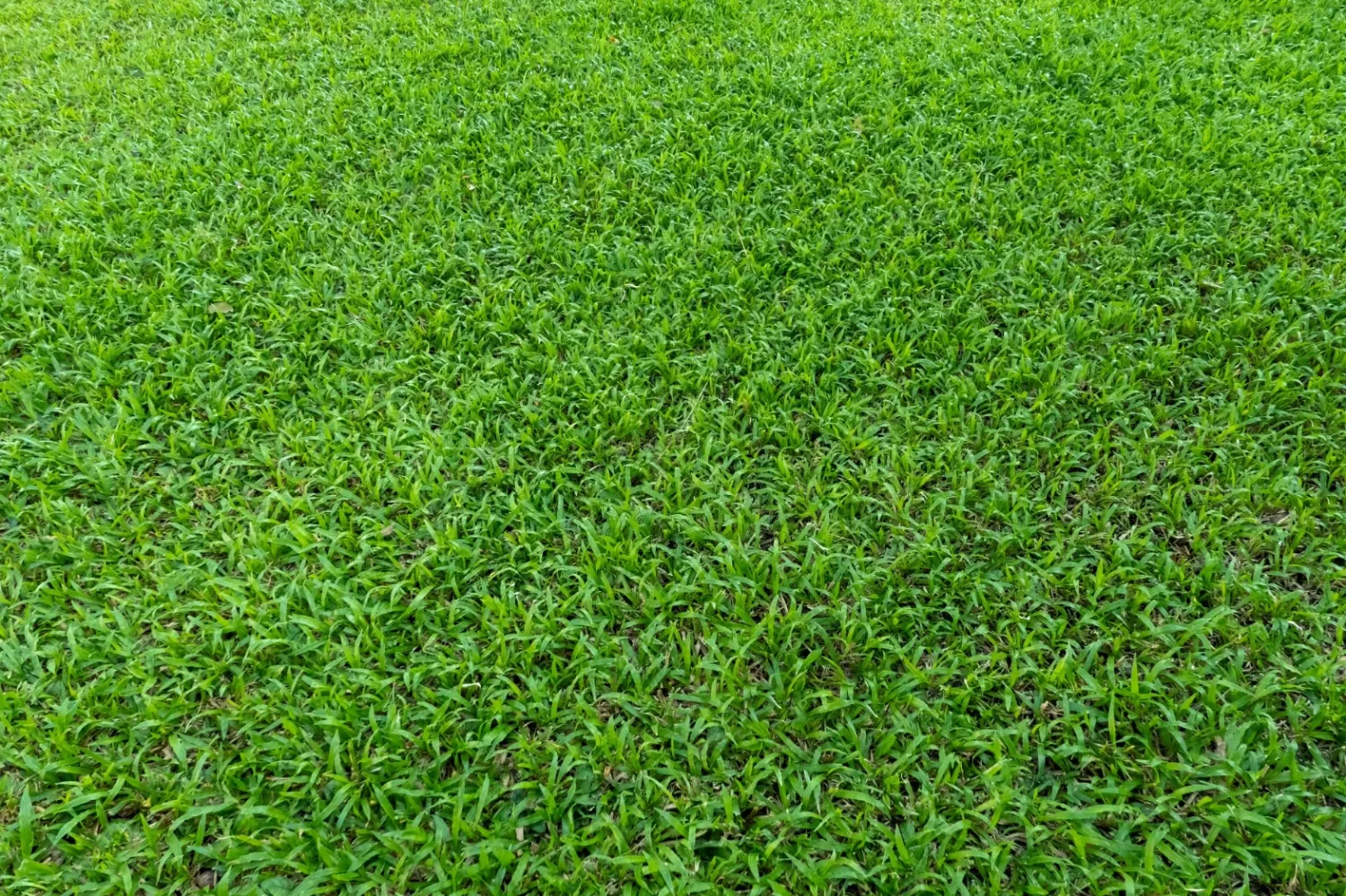
LM Grass (Berea grass), also called Berea or Richmond grass, is a popular indigenous South African perennial creeping lawn grass. It forms a dense, medium-coarse, light-to-apple-green sward with soft, broad blades that feel spongy underfoot. It’s evergreen in milder climates, spreads via surface runners, and thrives year-round with slower winter growth.
Pros
• Exceptional shade tolerance — handles up to 60% shade better than most SA grasses, ideal for tree-covered or built-up gardens.
• Low maintenance: slow grower means infrequent mowing (weekly in summer, less in winter), drought/heat tolerant, and adaptable to various soils including sandy.
• Soft, luxurious feel — great around pools or for barefoot comfort.
• Eco-friendly indigenous option with good sand stabilization for coastal/inland use.
Cons
• Moderate traffic tolerance only — thins out under kids, dogs, or heavy foot traffic; not for play areas or high-use zones.
• Can’t be mowed short (keep at 30–50mm minimum, longer in shade) or it struggles; no tight, short-cut look.
• Slower to establish and fill gaps compared to Kikuyu or Buffalo.
• Lighter green color may not deliver that deep emerald punch some clients crave.
• Sensitive to heavy frost — can yellow in colder Gauteng winters; not fully frost-proof.
Best Uses
• Shady residential lawns, patios, or under trees where sun-lovers fail.
• Low-to-moderate traffic gardens, pool surrounds, or erosion control on sand.
• Mixed setups: pair with Kikuyu in sunnier spots for full coverage.
• Steer clear for sports fields, high-traffic homes, or deep-frost areas — go for options like Kikuyu.
Display prices in:ZAR