All our concrete pots, paving, and fountains are proudly hand-manufactured by us. Because of this artisan process, items showing as "in stock" online may occasionally require fresh casting.Please allow a lead time of 7 to 10 working days for production and dispatch. Thank you for your patience as we create quality pieces for your space!
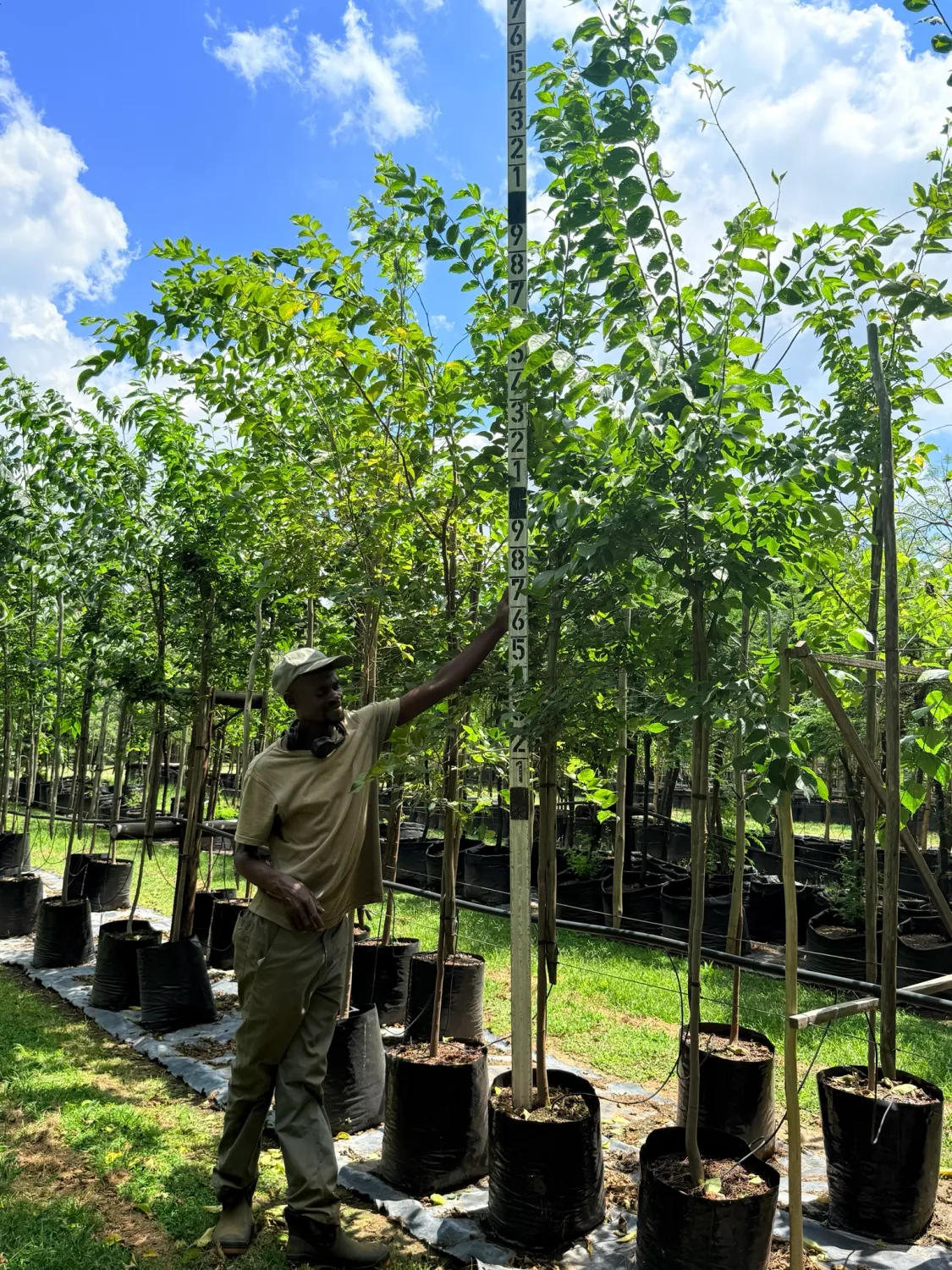
Olea Europaea Subsp.. Cuspidata Wild Olive "Olienhout" 40Liter
SKU LON007
R1 025.00
1
Save this product for later
Customer reviews
Reviews only from verified customers
No reviews yet. You can buy this product and be the first to leave a review.
Olea Europaea Subsp.. Cuspidata Wild Olive "Olienhout" 40Liter
Product Details
Botanical Name: Olea europaea subsp. cuspidata
Common Names: Wild Olive, Olienhout, African Olive
📌 Product Description
Olea europaea subsp. cuspidata, commonly known as Wild Olive or Olienhout, is a hardy indigenous evergreen tree valued for its attractive grey-green foliage and strong, durable growth. The leaves are leathery with a silvery underside, giving the tree a soft, muted appearance in the landscape.
This slow to moderate-growing tree develops a dense, rounded canopy and produces small creamy-white flowers in spring, followed by small black fruits that attract birds. Its tough wood and resilience make it a long-lived and reliable feature in South African gardens.
Highly adaptable and drought tolerant once established, Wild Olive is widely used as a shade tree, screening plant, or structural feature in indigenous and water-wise landscapes.
📏 Size When Fully Grown
Height: 6 – 10 m
Spread: 4 – 8 m
Growth Habit: Evergreen tree with dense rounded canopy
Growth Rate: Slow to moderate
🌱 Best Growing Conditions
Light: Full sun to partial shade
Soil: Well-draining soil; adaptable to sandy, loamy, or rocky soils
Water:
• Water regularly during establishment
• Highly drought tolerant once established
• Avoid prolonged waterlogging
Feeding: Apply compost in spring if required.
Maintenance:
• Very low maintenance
• Can be pruned to shape or used as a hedge when young
• Long-lived and resilient
🌦️ Planting & Growing Season (South Africa)
Best Planting Time: Spring or early summer
Active Growth: Spring and summer
Flowering Season: Spring
Climate Suitability: Suitable for most South African regions
Frost Tolerance: Tolerates moderate frost
🌼 Additional Benefits
• Indigenous South African tree
• Drought tolerant
• Attracts birds
• Strong, durable wood
• Excellent long-term shade tree
🌿 Ideal Uses
✔ Shade tree
✔ Indigenous gardens
✔ Screening and windbreaks
✔ Feature landscape tree
✔ Water-wise gardens
Display prices in:ZAR